
Over the Volcano
Transvulcania Race Report

This year’s edition of the Transvulcania 73km promised to be a world-class event with a deep elite field, and wound up being the fastest edition in the race’s storied history, with the top six men beating a course record from 2015 and two women also rewriting the record books.
In the end, I didn’t win or even secure the podium (5th), but you won’t hear me whinge about my performance. Honestly, I ran well, executed my race plan, vied for the top spots until I couldn’t, and finished strong.
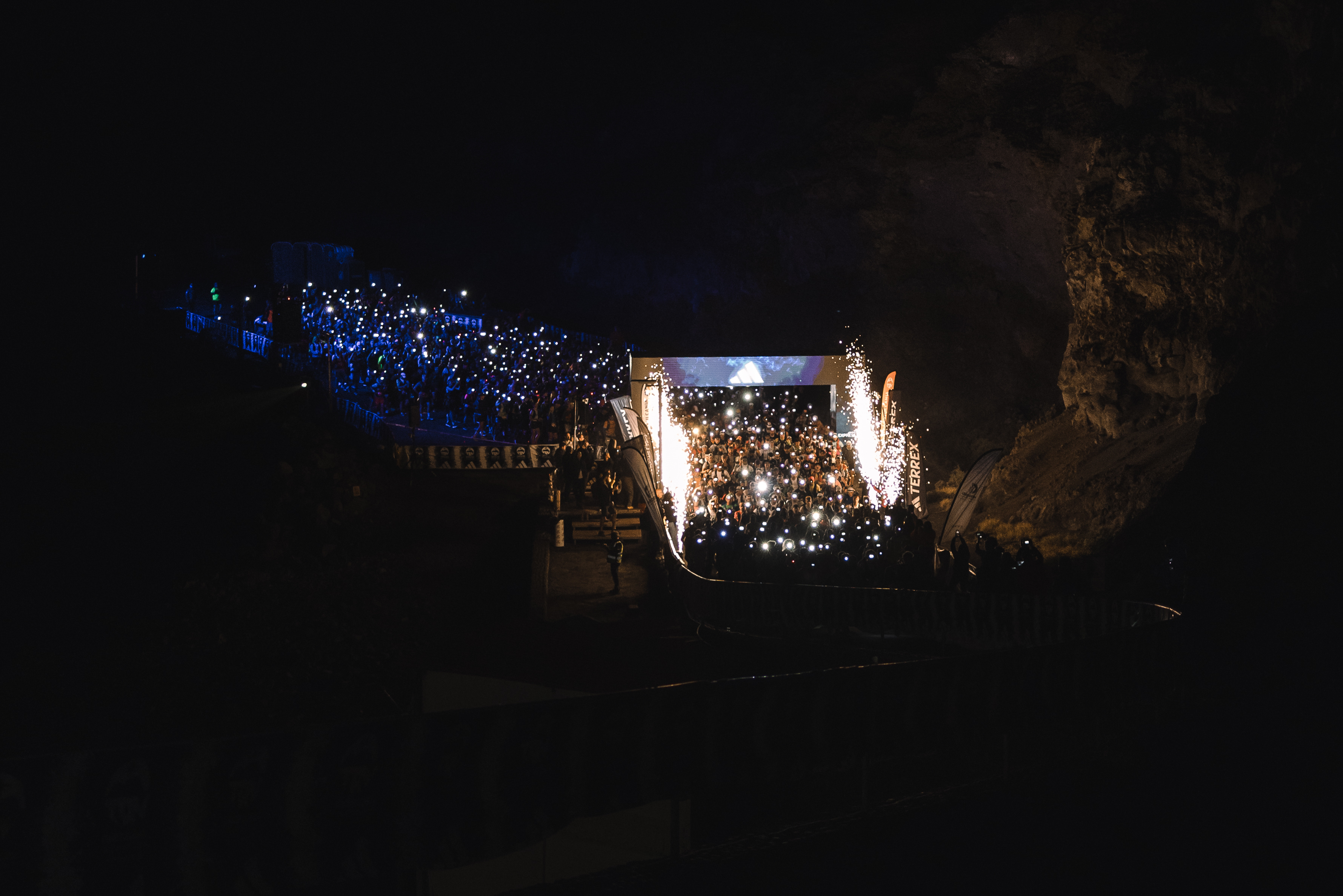
So it goes like this: we start from the lighthouse before dawn and climb incessantly up the long volcanic ridge—first over black sand, then through pine forests. I found a good position at the back of the front pack, following the feet of Petter Engdahl, Nadir Maguet, and David Sinclair. The effort was mildly hard, the breathing steady, the legs solid, but there were questions about the sustainability of the work.
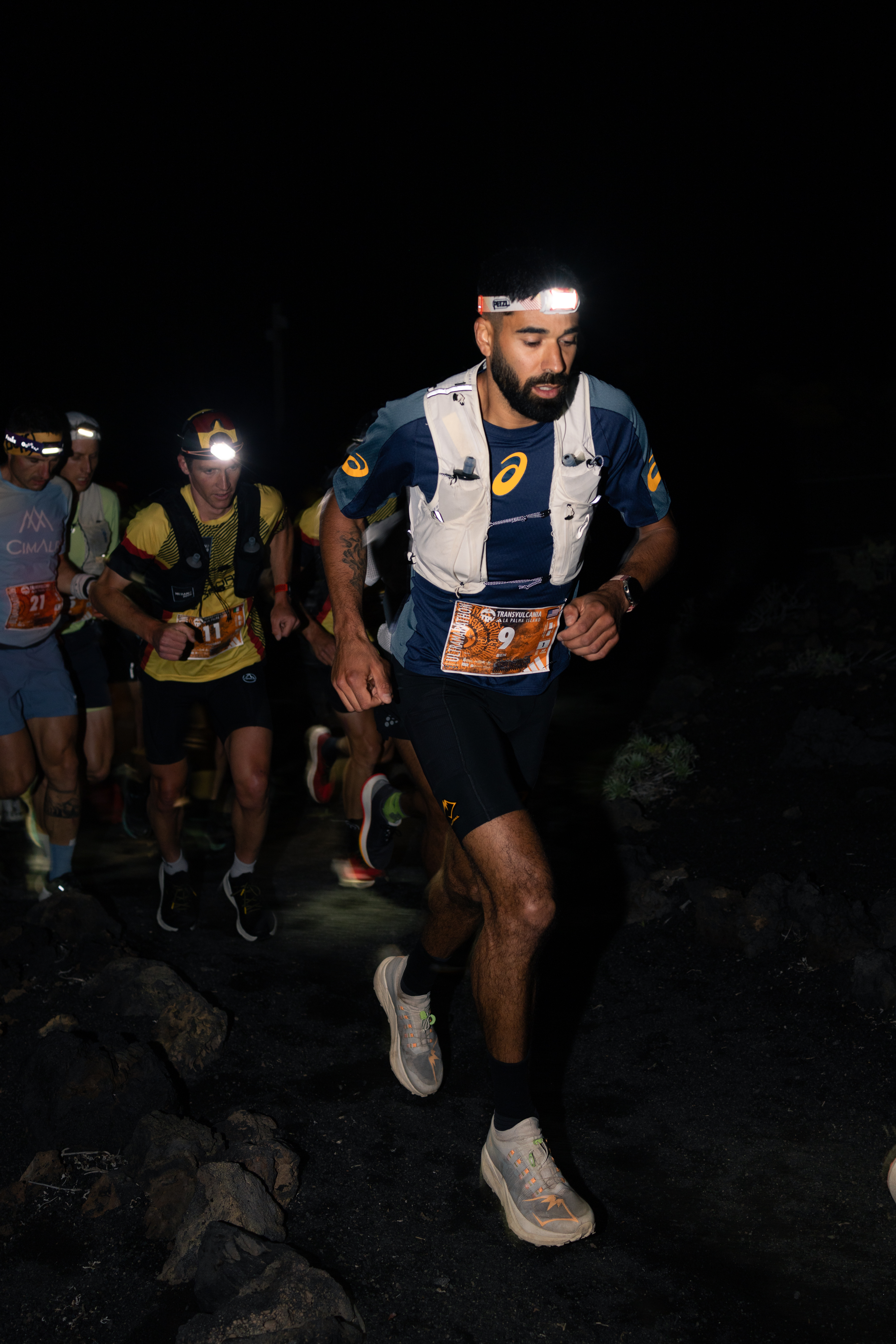
After two hours we finally hit some downhill and flat kilometres. I found my legs in top shape, cruising at a good speed, and David and I moved ahead. Given these sensations, I expected to be in the mix to the very end.
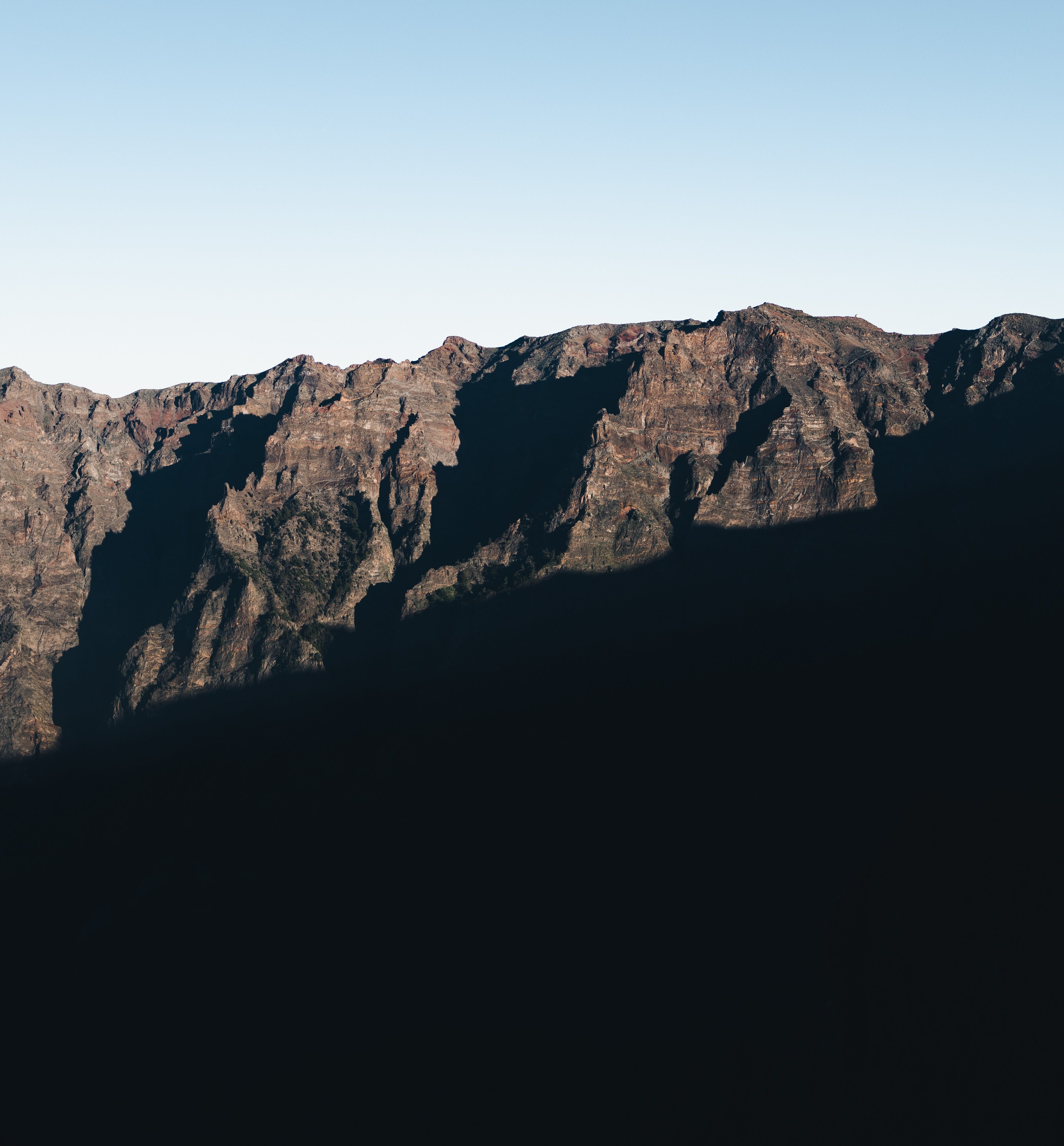
But three hours in, I realized everything to that point was just the buy-in to the real test of the race: the jagged, upward-trending crest of the island, a demanding and ruthless two-hour segment.
Though it is ridiculously beautiful, running up there is tough due to the altitude (above 2000m) and rocky trails. I was not able to float up the repeated steep pitches the way the others did. David escaped first, followed by Damien Hubert and eventually Petter.
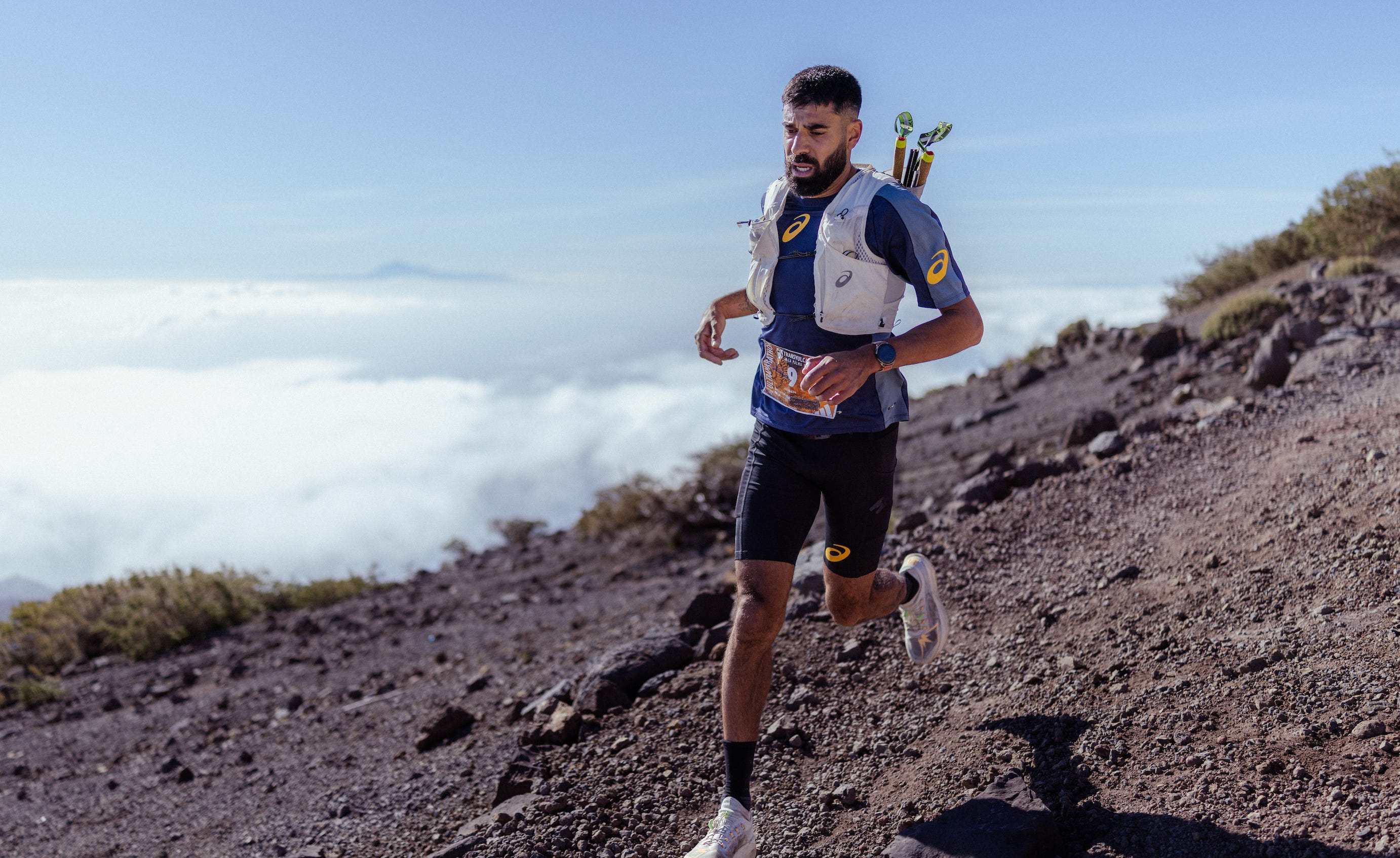
I ran with Nadir for a while, but he pushed before the high point and never looked back. Despite getting dropped, I managed to stay on my splits except for the short (but critical) 30-minute stretch to the high point (La Roque: 50km).
This meant I was forced to do the long descent in no man’s land, without sight of the competition. I ran fluidly but conservatively. It wasn’t a conscious effort to play it safe—I still ran a good speed—but I failed to override the central governor and shied away from the reckless speed required to get back in the race.
For context, the descent measures 17km and drops 2400m to the ocean. It took me 1 hour and 22 minutes. The fastest descent of the day was David’s, who did it in 1 hour and 14 minutes in an all-out attack to break Petter (who ran the same speed as me). David went on to post an outrageous time of 6:32, shattering what people thought possible on this route.
At the very end of the descent, I was surprised to see Andreas Reiterer flying down the rocky switchbacks and soon on my shoulder (he wound up logging the second-fastest descent of the day in 1 hour and 15 minutes).
He cleared out of the aid station ahead of me. To finish, we had 1km in the riverbed leading to a 20-minute climb and road finish. I was alert. Earlier this year Andreas nudged ahead of 2024 UTMB winner Vincent Bouillard at the very end of the Chianti Trail 120km, and I was not keen to let that happen to me.
I maintained my distance to Andy in the loose-rock riverbed and, as we climbed, sat directly behind him. The last climb is a series of switchbacked rip-rap paths. I chilled for a couple minutes to assess the situation. My legs felt fine, even good; Andy seemed fatigued. I decided to make a little test and he did not respond, so I pushed steadily and opened a solid gap, securing 5th place in 6:48.
Relevant Details
I thought 7 hours would be good enough to win, so running substantially faster gives me some reassurance that the shape is good. Although I studied the map and Strava files from previous champions, I did a poor job training specifically for this race.
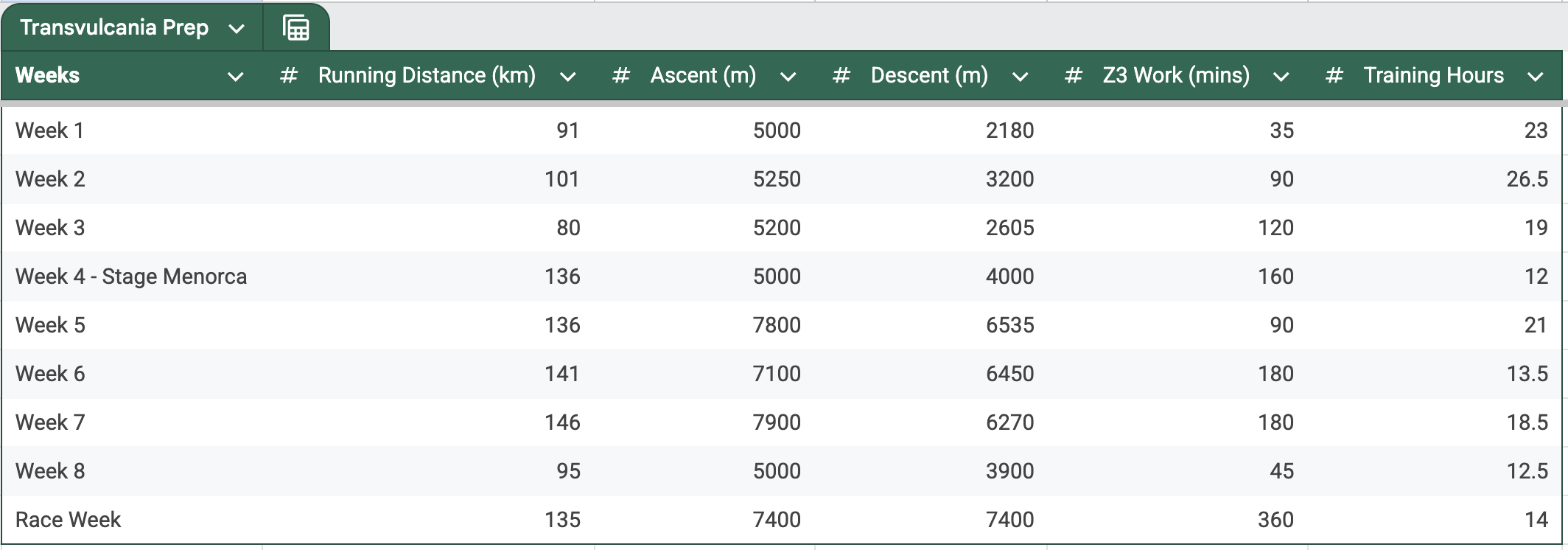
In fact, scanning through the past five weeks of training, it looks like I did a UTMB block at 70% volume. What I was missing was steep running and shorter, more dynamic efforts, which would have helped me hang with the featherweights at critical moments.
Fortunately, these lessons are of little use in the coming races, so there is no need to dramatically change things. Even if I took 5th place, I don’t judge this as a drop in performance. It falls in the “solid” box and, for a UTMB guy, is promising.
That being said, we can’t pretend that “tout va bien.” This was a major goal of my year, and I did not achieve it. The ego is rattled. So be it.
The sport is evolving. This race may be relevant in estimating what is now required to win, shifting the benchmark toward what might be possible rather than what has already been done. So bury me in my shortcomings. I’m feeding off the rinds and will spring up stronger.
Starting the post with words not whinging about your performance and ending it with that your ego is rattled as you didn't achieve your goals is great to hear. Why I keep saying is that this kind of things aren't spoken by many. You just keep chipping away to be the best version of yourself every year shows there is a lot of room for improvement for any athlete whatever stage they are in. Because if we just get satisfy of the results when we fall short of them, complacency can take over and our default can become let's cherish the process and be grateful for whatever the outcome is.
Great to see you compete with these people in the front. Even I wanted you to win brother but not every time & every where we toe the line, we win. WE WIN SOME, WE LEARN SOME. That's how we roll & enjoy. We just keep showing up with whatever fitness we possess and dig deep and fight.
Brother I just keep listening to your podcasts and the way you have carved your own path in the last 15 years is amazing. A huge shout out to you partner for showing immense support. All the best brother for whatever you pursue, rooting for you from India. :) There are a lot of things to learn from you in training principles, keep posting.
Solid shift, Ben. It’s wild to see the 'old' course records becoming the new baseline. You didn't just run a race; you witnessed—and contributed to—a paradigm shift in the sport’s velocity. Taking a 'UTMB engine' and holding your own against the featherweights on those technical pitches is a masterclass in versatility. The ego might be rattled, but the data says the ceiling just got higher. Can't wait to see that 70% volume turn into 100% for the big dance.